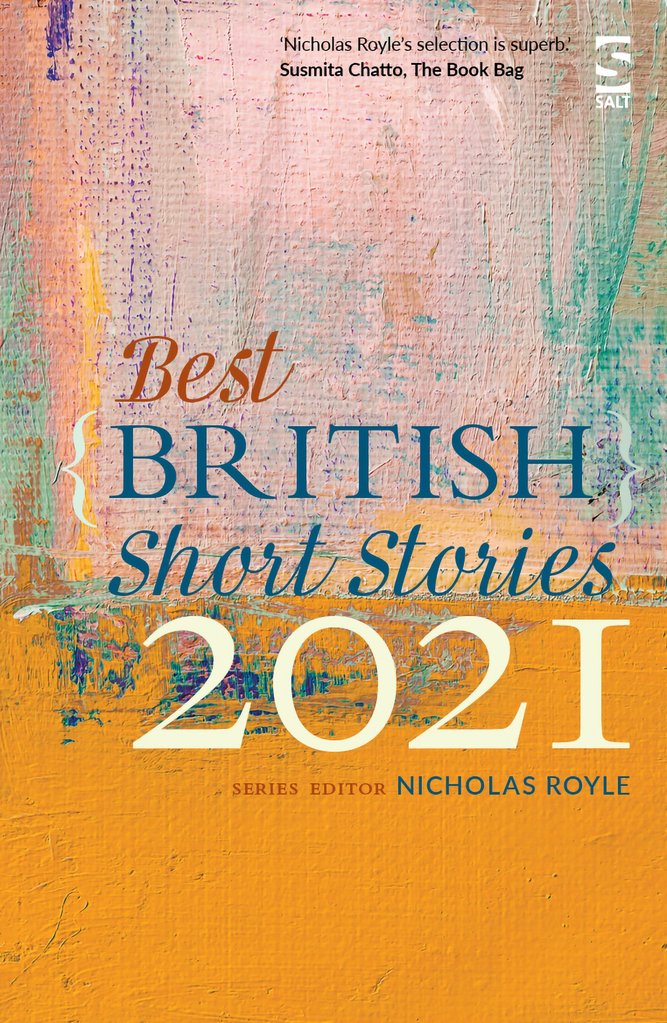
I’m delighted to announce that my short story ‘Leather’ has been selected for Best British Short Stories 2021.
Continue reading “Best British Short Stories 2021”A. J. Ashworth – Short Story Writer
Writer of realist and speculative fictions
I’m delighted to announce that my short story ‘Leather’ has been selected for Best British Short Stories 2021.
Continue reading “Best British Short Stories 2021”
I have returned to the subject of rejection for The Literary Consultancy’s blog this month – thinking about how as writers we can start to try and see this in a more positive light.
Continue reading “Revisiting rejection”
I previously mentioned on here that my short story ‘Maybe the Birds’ was shortlisted in the inaugural Short Fiction International Short Story Prize Wild Writing Prize – unfortunately I didn’t win but it’s all good. I’m really happy my work was shortlisted and that my story appeared to resonate with the competition readers, so thank you Short Fiction. It was lovely for my work to be recognised in this way, especially after years of struggling to write new stories.
Continue reading “No win – but it’s all good”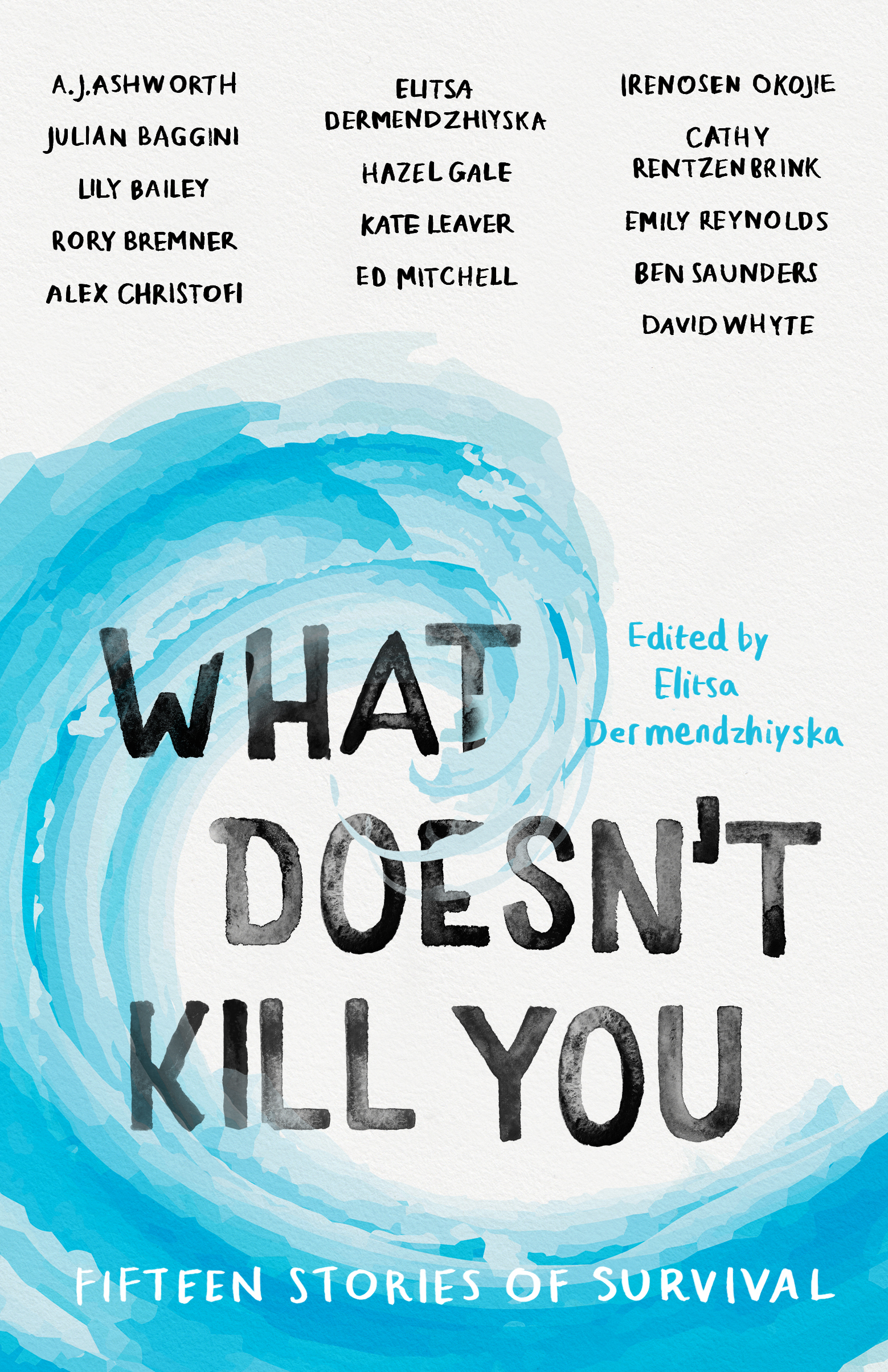
I just realised I completely forgot to mention on here that I had an essay published in a book called What Doesn’t Kill You: Fifteen Stories of Survival, from Unbound. The book features a range of essays from the likes of Rory Bremner, Julian Baggini, Cathy Rentzenbrink and many others about issues ranging from depression and eating disorders to alcholism and OCD.
Continue reading “What doesn’t kill you”
I’m delighted that a new story of mine has been shortlisted for Short Fiction’s Wild Writing Prize. I’ve struggled for years to write stories I was happy with but this one felt like it had potential, and so I’m really happy it’s been recognised in this way in the competition.
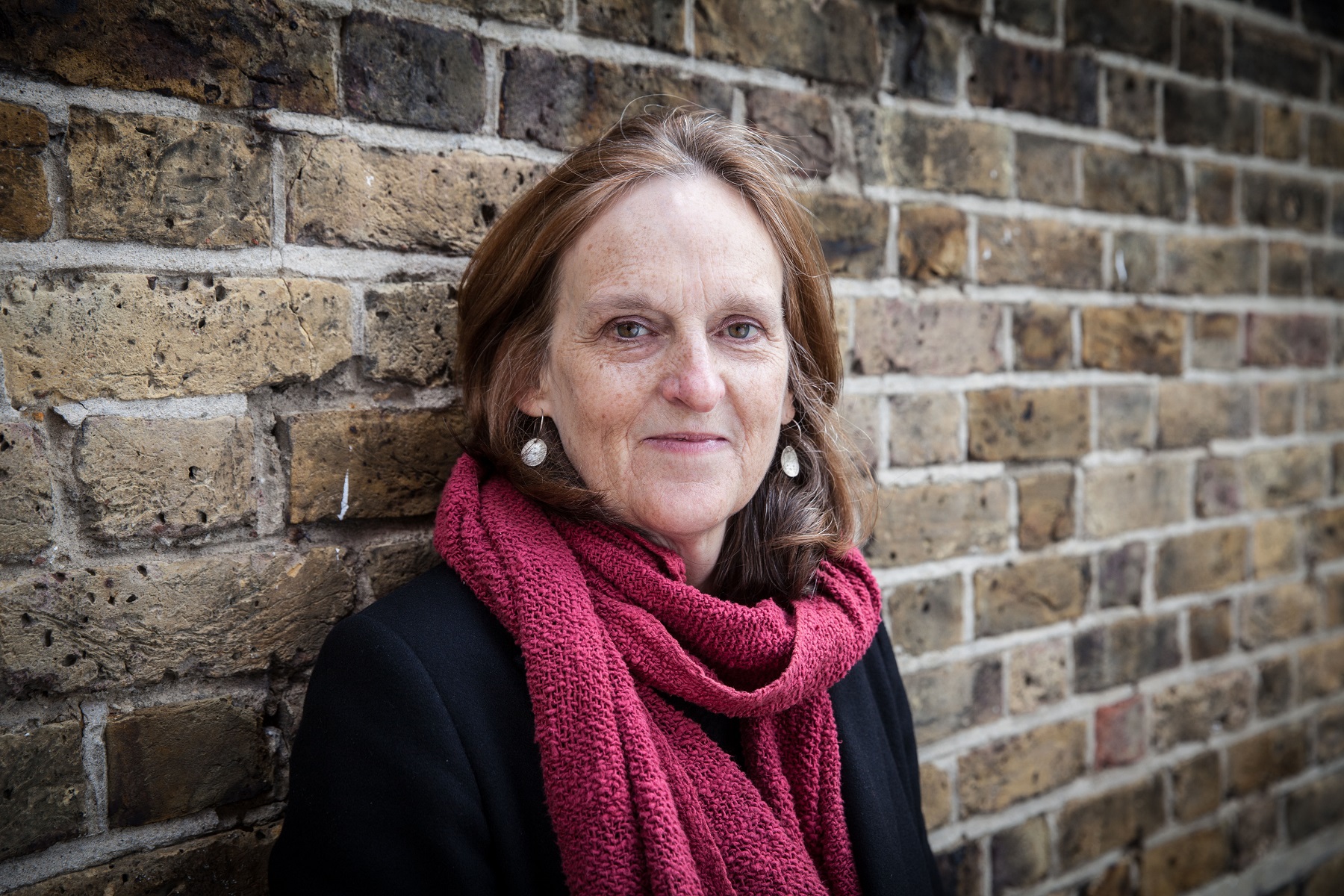
Continue reading “A shortlisting”In December 2018, I interviewed novelist and short story writer Tessa Hadley over email for the journal Short Fiction in Theory & Practice. The interview followed her win in the 2018 Edge Hill Prize for her collection Bad Dreams.
I was delighted to learn that my essay ‘The Wood That Starts The Fire’ – about Raymond Carver’s short story ‘Kindling’ – made the longlist of the Thresholds Feature Writing Competition this year. I think this is possibly the first essay I’ve ever written so it was very nice for it to be chosen. It’s also the first time I’ve referred to my issues with anxiety and panic publicly – something which I’ve been uncertain about doing before, perhaps because it feels so personal.
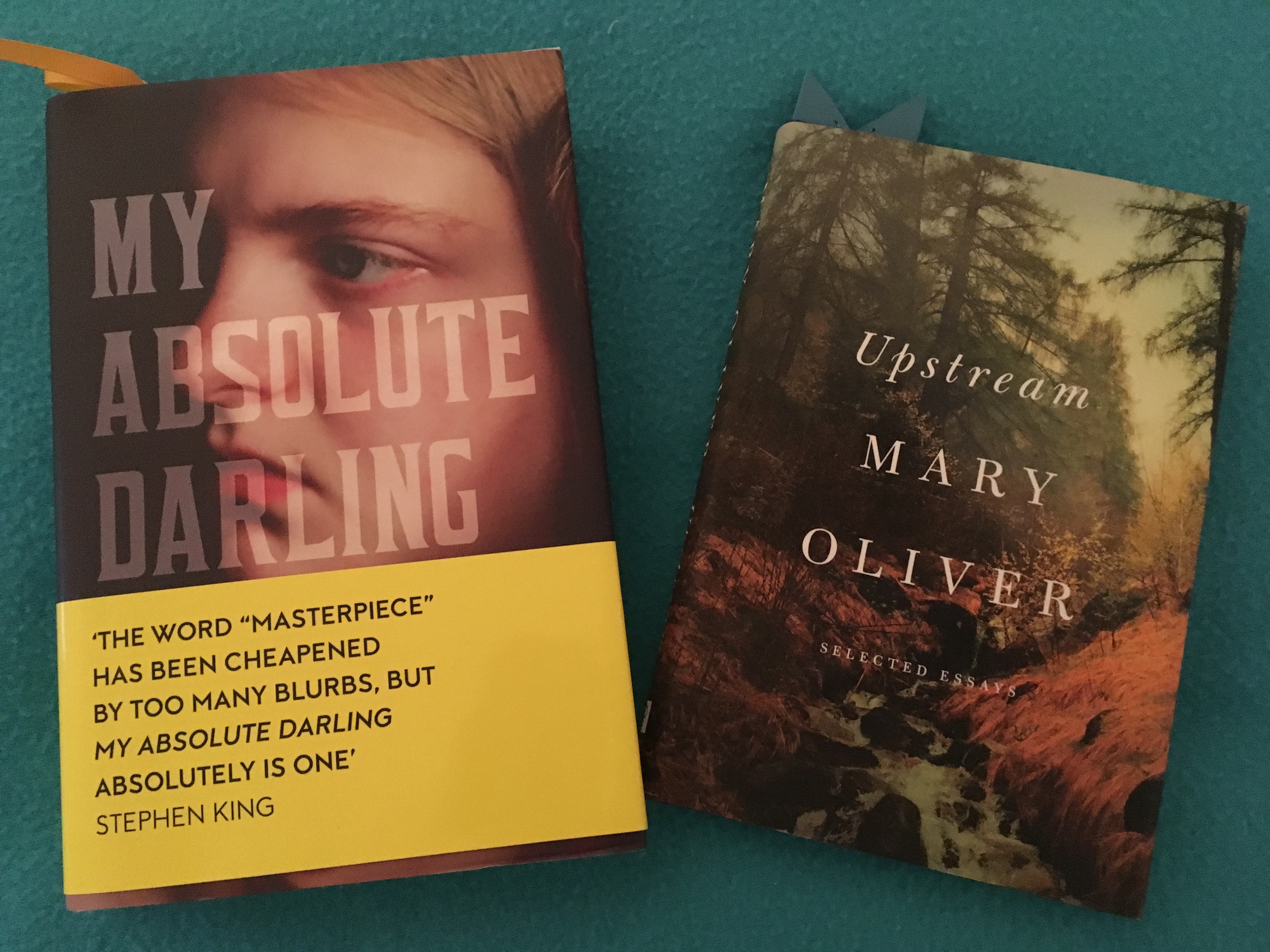
I’ve pretty much neglected this website for about a year, so I thought it was time to give it a bit of attention. If you look back over my previous posts, you’ll see that last year was all about rejection, with my own story of having my first novel rejected featuring as well as a series of interviews with a number of authors about their own experiences of being turned down. The interviews were all I hoped they would be – not negative or bitter but inspiring and uplifting. And from the comments I received from people who read them, I know how helpful they were to all those struggling along the writing path. I’m sincerely grateful to the authors who agreed to be interviewed and who helped all of us feel a little less alone in our travels.
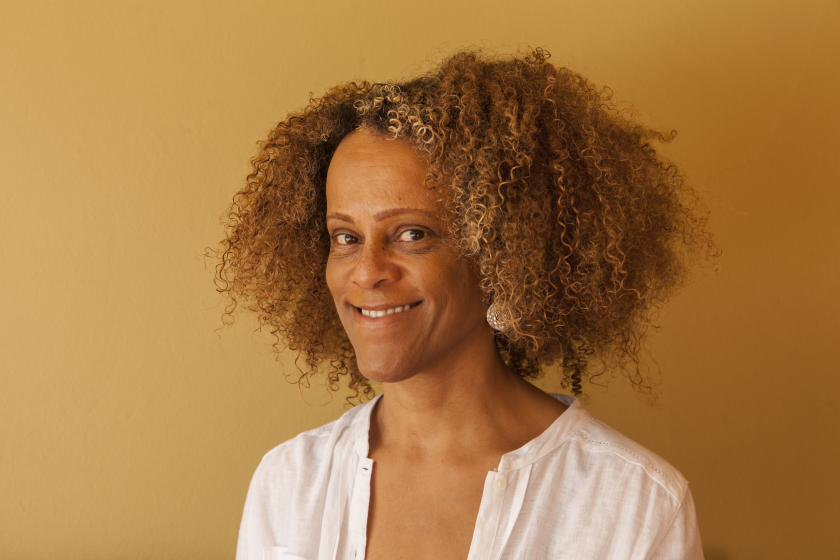
‘As someone who comes from a black and working class background, who was not raised with a sense of entitlement, I’ve since developed a very strong sense of it. It is my duty and my right to believe in myself because this keeps me on track. I’m one of the few black British writers continuing to publish and I’m never giving up.’
In my latest interview for Writers on Rejection, I talk to award-winning writer Bernardine Evaristo. Bernardine is the author of seven books and other published and produced works of fiction, poetry, verse fiction, short fiction, essays, literary criticism, radio and theatre drama. She has also edited anthologies and special issues of magazines and is currently Professor of Creative Writing at Brunel University in London. She has won numerous awards including the Jerwood Fiction Uncovered Prize and she was elected a Fellow of the Royal Society of Literature in 2004. Her latest novel, Mr Loverman, is currently in development with the BBC and the Bush Theatre, London. She is also passionate about opening up opportunities for artists and writers of colour and has initiated a number of schemes such as founding The Complete Works mentoring scheme and the Brunel International African Poetry Prize.
Continue reading “Writers on rejection: Bernardine Evaristo”
‘Mainstream traditional publishing is focused on making money. I mean, Ronnie O’Sullivan? I love watching him play snooker but I won’t be going out to buy his novel.’
Today I talk to short story writer, poet and debut novelist Neil Campbell. Neil has published three collections of short stories – Ekphrasis, Broken Doll and Pictures from Hopper – as well as two poetry chapbooks – Birds and Bugsworth Diary. More recently, he published his first novel, Sky Hooks, about a young warehouseman whose promising football career is cut short by injury. Neil was the editor of the literary magazine Lamport Court from 2003–2008 and has an MA and an MPhil in Creative Writing. His short stories were chosen for Best British Short Stories 2012, 2015 and 2016.